Storage for Electronics in Saudi Arabia: 2026 Guide
Storage for electronics in Saudi Arabia is a fast-growing need as the Kingdom imports more smartphones, laptops, smart-home gear, and connected devices every year. Heat, humidity, and dust are the natural enemies of sensitive hardware, and the Saudi climate serves up all three in abundance. This 2026 guide explains how to store electronics safely, what it costs in Riyadh and beyond, and how to choose a facility that keeps your stock in resale condition.
Whether you are a distributor warehousing thousands of units or an e-commerce seller holding seasonal inventory, the right environment protects both product value and warranty validity. Let us look at what matters most.
Why Electronics Need Special Storage Conditions
Modern devices are packed with delicate components: lithium batteries, circuit boards, screens, and sensors. Each reacts badly to the wrong conditions. Excess heat can swell batteries and degrade adhesives. High humidity causes corrosion and short circuits. Even static and dust can damage exposed contacts over time.
In Riyadh, where summer temperatures routinely exceed 45°C, storing electronics in an uncontrolled room is a slow-motion loss. Devices may still power on, but reduced battery life, screen defects, and corrosion often surface weeks later, after the goods have already reached customers. The result is returns, warranty claims, and reputational damage.
What Is the Ideal Environment for Device Storage?
Electronics generally prefer a stable, moderate climate rather than a deep chill. The target is a cool, dry, dust-controlled space. Specialist Storage for Electronics & Smart Devices is built around exactly these conditions, combining temperature control, humidity management, and clean handling.
The table below summarises the recommended conditions for common device categories.
| Device Type | Ideal Temperature | Relative Humidity | Key Risk |
|---|---|---|---|
| Smartphones & tablets | 15°C to 25°C | 40% to 55% | Battery swelling |
| Laptops & monitors | 15°C to 25°C | 40% to 50% | Screen & board corrosion |
| Smart-home devices | 10°C to 28°C | 40% to 55% | Sensor drift |
| Spare parts & accessories | 12°C to 28°C | 35% to 50% | Oxidation |
Notice that none of these require freezing. What they need is stability. A room that holds a steady temperature and humidity will outperform one that swings wildly, even if the swinging room occasionally gets cooler.
How Much Does Electronics Storage Cost in Riyadh?
Costs depend on volume, service level, and whether you need value-added handling such as inspection, repackaging, or last-mile dispatch. For most sellers, climate-stable Ambient Storage In Riyadh offers the best balance of protection and price, since it avoids the energy premium of deep refrigeration while still shielding devices from heat and damp.
Typical 2026 planning ranges look like this:
- Shared ambient space: 50 to 85 SAR per square metre per month
- Dedicated climate-controlled room: 90 to 140 SAR per square metre per month
- Value-added handling: priced per task or as a bundled monthly fee
Longer contracts bring better rates, and consolidating storage with fulfilment under one roof usually lowers your total logistics cost.
How Do You Choose a Reliable Electronics Storage Partner?
Not every warehouse is equipped for high-value, sensitive stock. Based on hands-on experience with Saudi distributors, these are the checks that matter most:
- Climate monitoring: Continuous temperature and humidity logging with alerts.
- Security: CCTV, access control, and insurance suitable for high-value goods.
- Clean environment: Dust control and anti-static handling practices.
- Backup power: Generators to maintain conditions during outages.
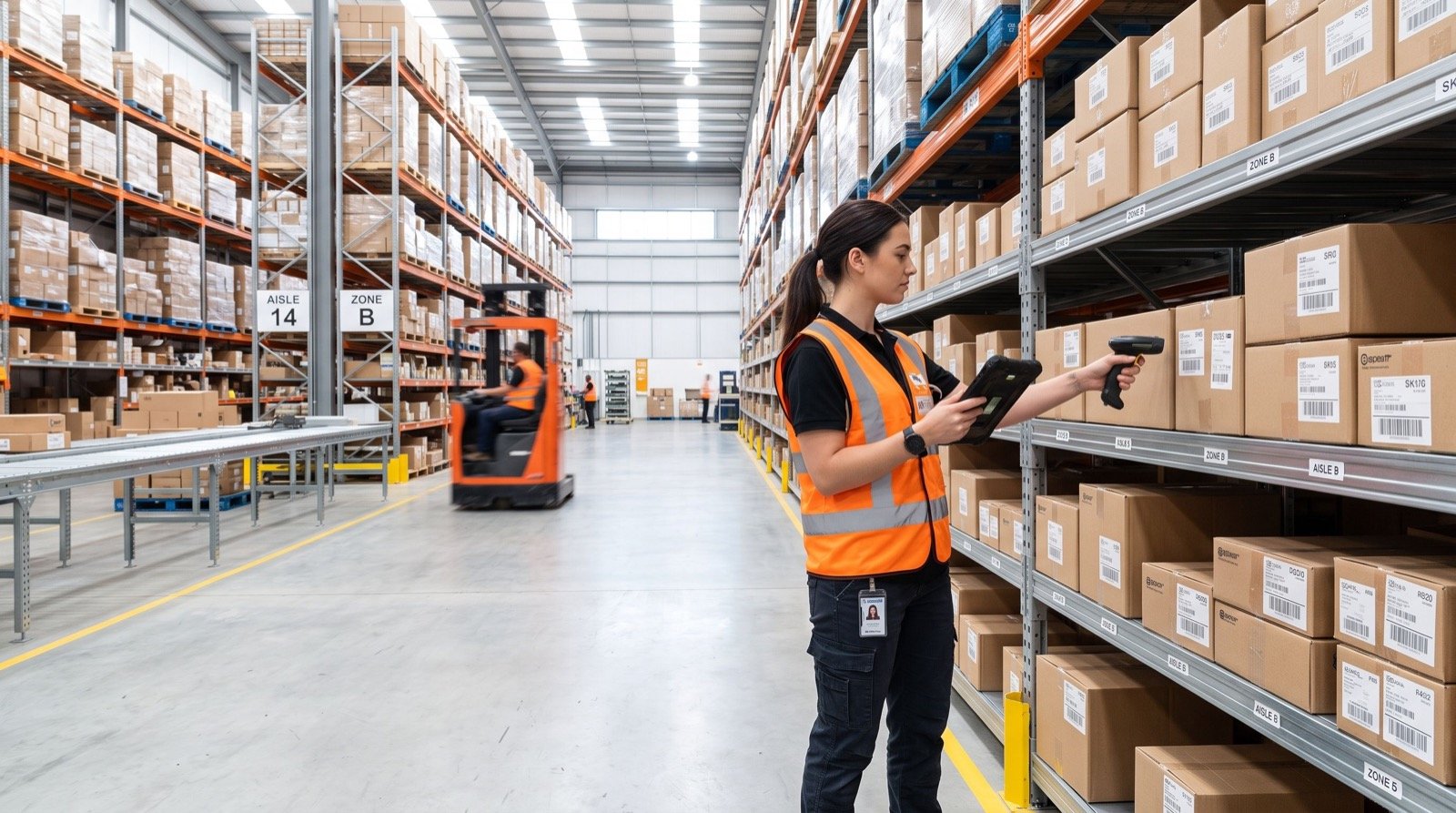
- Inventory systems: Barcode or RFID tracking for accurate stock counts.
A knowledgeable, experienced local team is worth paying for. Staff who understand how to handle batteries, screens, and packaging will prevent far more loss than any discount can justify.
Best Practices for Storing Devices Long Term
Even in a good facility, how you prepare stock matters. Charge lithium batteries to roughly 50 percent before long-term storage, since both full and empty states stress the cell. Keep devices in their original packaging where possible, as it is designed to protect against shock and static.
Avoid stacking heavy loads on boxed screens. Use silica gel or desiccant packs in sealed cartons to manage residual moisture. Finally, rotate stock so older inventory ships first and nothing sits long enough to lose warranty value.
How Does Humidity Damage Stored Electronics?
Humidity is the silent threat in Saudi warehousing, especially in coastal and poorly sealed buildings. When moisture settles on circuit boards and connectors, it accelerates corrosion and can create tiny conductive bridges that cause intermittent faults. These defects rarely show up immediately, which makes them especially costly.
Condensation is an even faster problem. When a cold device meets warm, humid air, water forms on and inside it within minutes. That is why moving stock straight from an over-chilled room into a hot loading bay can do more harm than simply storing it at a stable ambient temperature in the first place.
The fix is controlled humidity, usually kept between 40 and 55 percent, combined with good air circulation. Desiccant packs inside sealed cartons add a second line of defence. A quality facility treats humidity management as seriously as temperature, because for electronics the two risks are inseparable.
Why Riyadh Is a Strategic Storage Location
Riyadh sits at the centre of Saudi Arabia’s consumer market and road network, making it a natural base for electronics distribution. Holding stock in the capital shortens delivery times to a huge share of the population and simplifies returns handling for e-commerce sellers.
Central location also means faster restocking for retail partners. When a popular device sells out, nearby inventory can reach stores or customers within hours rather than days. For fast-moving consumer electronics, that speed directly protects sales you would otherwise lose to competitors.
Frequently Asked Questions
What is the best temperature to store electronics in Saudi Arabia?
Most electronics store best between 15°C and 25°C with relative humidity around 40 to 55 percent. Stability matters more than extreme cold, so a steady ambient room usually beats a fluctuating chilled one.
Do electronics need refrigerated or ambient storage?
Ambient, climate-controlled storage is almost always the right choice. Freezing can cause condensation and battery damage, so cool and dry beats cold and damp for nearly all consumer devices.
How should lithium batteries be stored?
Store lithium-powered devices at around 50 percent charge in a cool, dry space. The U.S. Environmental Protection Agency also advises keeping batteries away from heat and metal objects to reduce fire risk, as noted in EPA guidance on lithium-ion batteries.
Can one facility store devices and their accessories together?
Yes. Multi-zone warehouses in Riyadh can hold devices, spare parts, and accessories in the same climate-controlled area, simplifying inventory and keeping everything in resale condition.
Conclusion
Storage for electronics in Saudi Arabia is about protecting value, not just stacking boxes. With the Kingdom’s heat and humidity working against sensitive hardware, a stable, secure, climate-controlled environment is the difference between pristine stock and a pile of returns in 2026. Match your devices to the right conditions, vet your provider carefully, and prepare inventory properly. Do that, and your electronics will reach customers exactly as the manufacturer intended.